


NEWS

More than 250 European students apply for grants for the Campus Yuste courses
Young people from different universities throughout Spain and five other European countries have taken part in the call for grants for the international summer courses organized by the European Academy of Yuste Foundation and the University of Extremadura, within the framework of the Campus Yuste program.
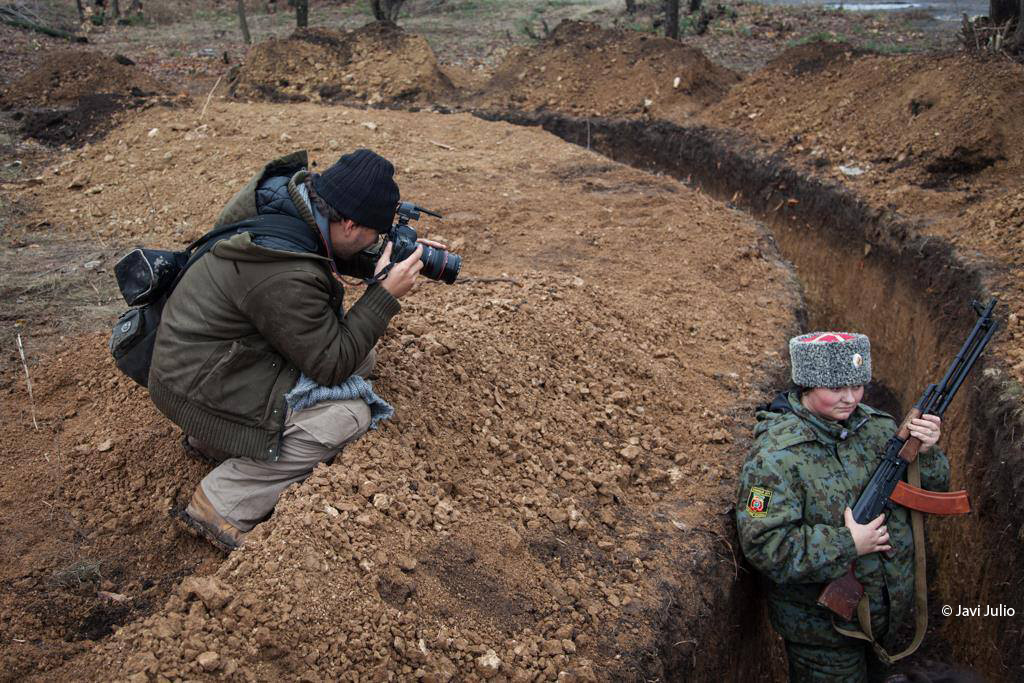
International correspondent Ángel Sastre to host a lecture at the Ateneo de Cáceres (Cáceres Cultural Centre) on his work in conflict zones
Extremaduran journalist Ángel Sastre will present a lecture entitled Periodismo en zonas de conflicto en el siglo XXI (Journalism in conflict zones in the 21st century) next Wednesday 9th November at 19.30, at the Ateneo de Cáceres, organised by the European Academy of Yuste Foundation.

European Academy of Yuste Foundation collaborates on activities to commemorate the fifth anniversary of the Pauline monks’ arrival at Yuste Monastery
A ceremony will be held on Saturday 29 October at the Royal Monastery of Yuste church to mark the fifth anniversary of the arrival of the Fathers of the Pauline Order at Yuste’s Monastery of Saint Jerome. It has been organised jointly by National Heritage, the Polish Embassy, the European Academy of Yuste Foundation, and the Polish Cultural Institute.

The European Academy of Yuste Foundation organises course on effective European cultural policies for institutions and citizenship
More than thirty students from nineteen Spanish, European, and other international universities from countries including Cuba, are taking part in the course on ‘Cultural policies in Europe in the face of integration challenges: citizen participation, active citizenship, and European identity’.

‘Interpreters in Nuremberg’ exhibition highlights the role of interpretation when International Criminal Law began the fight against impunity
President of the Asamblea de Extremadura (Assembly of Extremadura) Blanca Martín opened the ‘Interpreters in Nuremberg’ exhibition, showing how thanks to simultaneous interpretation and the work of interpreters it was possible for German, French, English, and Russian speaking judges, prosecution and defence, witnesses and defendants to all communicate smoothly.

Exhibition on the role of interpreters during the Nuremberg trials, organised by the European Academy of Yuste Foundation and Asamblea de Extremadura (Assembly of Extremadura)
The exhibition documents interpreters’ activities during the Nuremberg trials of 1945/46 and has been put together by a group of researchers from the Universities of Salamanca and Hildesheim (Germany) with support from the European Academy of Yuste Foundation.