


COMUNICACIÓN
The Image of the New World and the Historical Ties Between Extremadura and the Dominican Republic Are the Focus of Sessions in Trujillo
News

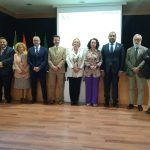
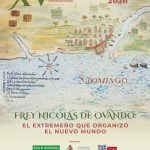


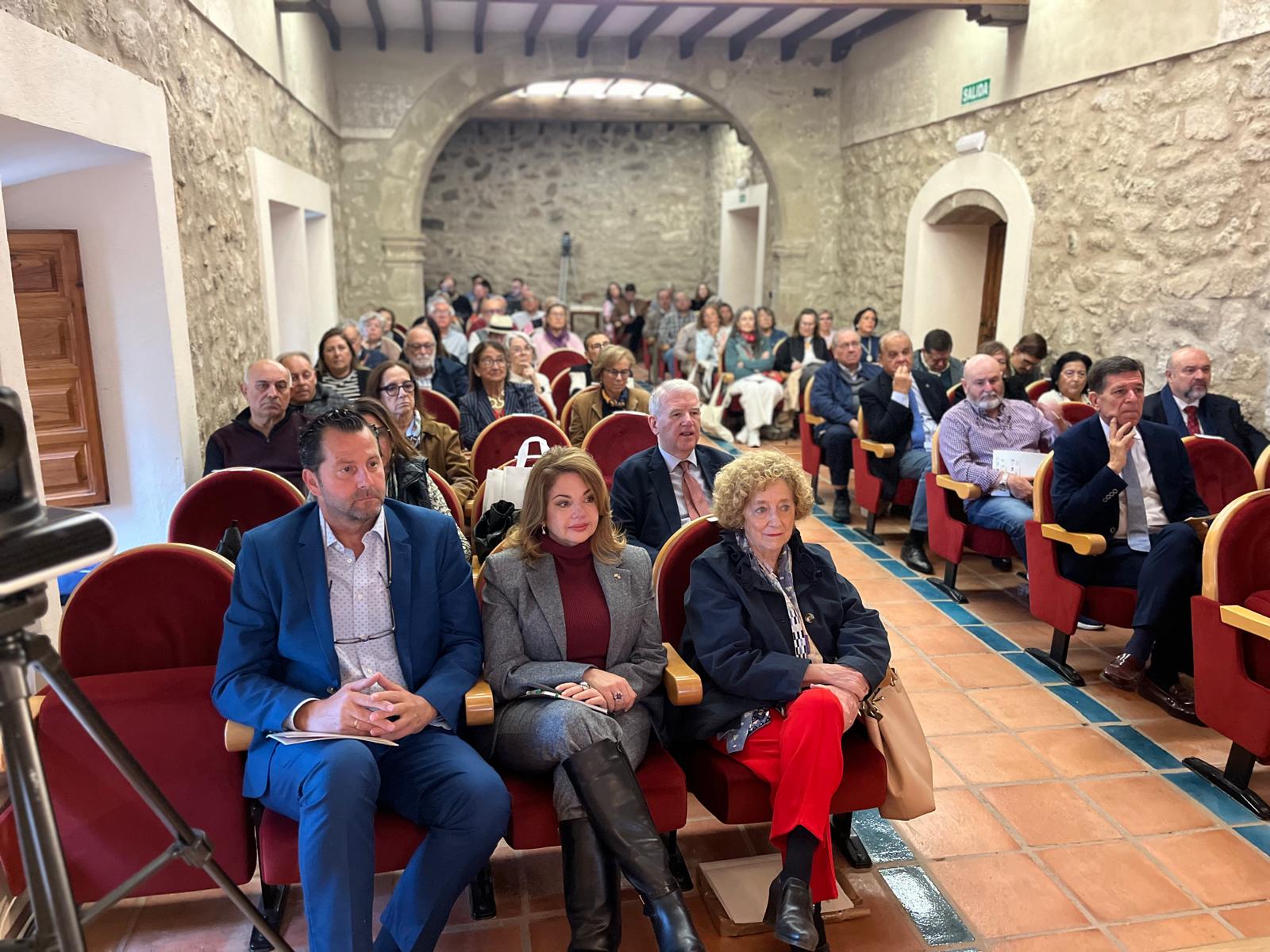
The 15th humanism sessions in Trujillo examine the political, legal and cultural legacy of the Extremaduran Frey Nicolás de Ovando in America. (23/10/2026)
The 15th humanism sessions, dedicated to “Frey Nicolás de Ovando: The Extremaduran Who Organised the New World”, held their second day at the Lorenzana Palace in Trujillo, the seat of the Royal Academy of Extremadura of Letters and Arts (RAEX). The programme focused on the political, legal and cultural transformations that marked the early years of the Castilian presence in America.
The morning session featured presentations by Francisco Javier Pizarro, professor emeritus at the University of Extremadura, who analysed the evolution of the image of the Antilles. Angélika García, professor at the University of Extremadura, explored the figure of Anacaona, a Taíno cacica, and her legacy, particularly through the work of Ana Mendieta, one of the most widely recognised and acclaimed artists of the second half of the 20th century, whose extensive body of work “draws on the artistic and mythological canons of the Taíno people to reflect on the image of America as applied to women in the 15th century and in the present day, creating a concise yet eternal feminine line”, she explained.
To conclude the morning session, Sixto Sánchez Lauro, a legal historian and member of the Royal Academy of Jurisprudence and Legislation of Extremadura, examined royal instructions as the origins of Derecho indiano (the body of law governing the Spanish territories in the Americas). “Ovando’s role takes centre stage not as a mere executor, but as an active agent in the development of the law, interpreting, adapting and sometimes going beyond the Instructions to make the political, economic and spiritual organisation of the island viable”, he stated.
The afternoon session will explore the establishment of the first municipal councils (cabildos) on Hispaniola and their importance in consolidating the colony’s territorial and administrative organisation and strengthening the authority of the Crown. The presentation will be delivered by Genaro Rodríguez Morel, a member of the Dominican Academy of History.
The programme will continue with three papers examining the historical origins of the Virgin of Altagracia and the religious ties between Garrovillas de Alconétar and the Dominican Republic, as well as the role of publishing in disseminating studies on the history of the Americas. The speakers will be Genaro Rodríguez Morel, a member of the Dominican Academy of History; Florencio-Javier García Mogollón, full professor and professor emeritus at the University of Extremadura; Julia Antonia Vicioso Varelas, a lecturer at Sapienza University of Rome; and Basilio Rodríguez Cañada, a corresponding member of the Royal Academy of Extremadura of Letters and Arts (RAEX) and publisher, respectively.
With this programme, the second day of the Congress has offered a multidisciplinary perspective on Nicolás de Ovando’s legacy, bringing together history, law, art and heritage, while further exploring the historical ties between Extremadura and the American continent.
Those attending included the cultural attaché of the Embassy of the Dominican Republic in Spain; Miguel Reyes Sánchez, president of the Dominican Academy of History; María del Mar Lozano, director of the Royal Academy of Extremadura of Letters and Arts; and Fernando Pizarro, director of the European and Ibero-American Academy of Yuste Foundation.
Following the sessions held in Cáceres and Trujillo, the sessions entitled “Frey Nicolás de Ovando: The Extremaduran Who Organised the New World” are scheduled to conclude tomorrow, Saturday 24 October, at the Convent of San Benito in Alcántara.
The event is organised by the Royal Academy of Extremadura of Letters and Arts, in collaboration with the Regional Ministry of Culture, Tourism and Sport of the Regional Government of Extremadura, Yuste Foundation and other institutions.
