


COMUNICACIÓN
The 3rd Guadalupe in America Sessions Highlight Cultural Mestizaje and the Historical Ties between Extremadura and Mexico through the 500th Anniversary of Colima
News
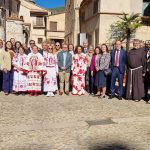
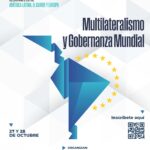
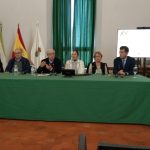
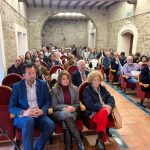
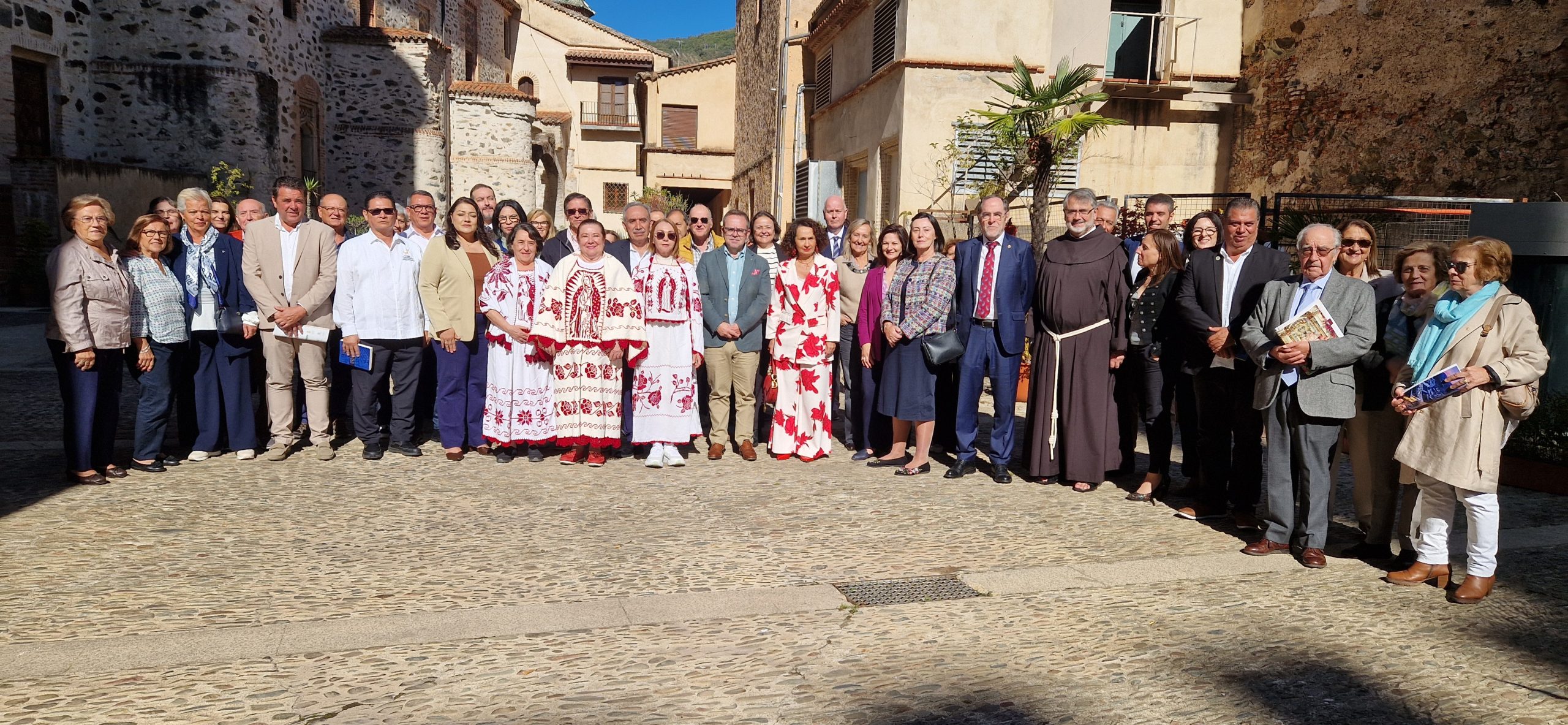
The Royal Monastery of Guadalupe hosts a two-day academic meeting examining the formation of New Spain’s society and highlighting cultural mestizaje, dialogue and coexistence as elements of a shared past. (26/10/2026)
The Royal Monastery of Santa María de Guadalupe is hosting the 3rd Guadalupe in America Sessions, which opened under the title “Colima at Its 500th Anniversary”, with the aim of exploring in greater depth the historical processes that shaped New Spain’s society during the 16th century and examining the historical, cultural and social ties that link Extremadura with this Mexican city.
The event, organised by the European and Ibero-American Academy of Yuste Foundation and the Extremadura Foundation for Culture, brings together specialists and institutional representatives to mark five hundred years of Colima’s history, now the capital of the Mexican State of the same name.
During the welcome address, the guardian and custodian of the Royal Monastery of Santa María de Guadalupe, friar Vidal Rodríguez López, highlighted the monastery’s historical role as a space for cultural exchange and knowledge, describing it as a “distillation vessel for knowledge distilled by history, which continues to produce culture and serves as a space for Christian spirituality, cordial encounters, dialogue and knowledge”.
Friar Vidal Rodríguez López also emphasised Guadalupe’s deep-rooted ties with the Americas and the importance of keeping alive the bonds that have historically linked this Extremaduran site with Mexico. In this regard, he highlighted the value of the sessions as an opportunity to continue exploring a relationship built over five centuries.
For her part, the president of the High Court of Justice of Extremadura, María Félix Tena, stressed the importance of studying the historical relations between Europe and the Americas from the perspective of “coexistence, respect and mutual enrichment”.
In her address, Tena argued for the need to recover the lessons history offers on coexistence between cultures, particularly in an international context marked by complexity and difficulties in achieving mutual understanding. In this regard, she emphasised that “peaceful coexistence, communication and relations between cultures have enabled us to move forward and grow as humanity. In a world as complex as today’s, we must not forget that respect for those who are different is essential if we are to continue making progress”, she claimed.
In her capacity as a legal professional, she also highlighted the figure of the Extremaduran Francisco Lebrón de Quiñones and his contribution to the study of the principles of coexistence that began to take shape five centuries ago between the Europeans who arrived in America and the populations already inhabiting those territories.
To conclude the opening session, the co-director of the sessions, Sixto Sánchez Lauro, emphasised that the event coincides with the Holy Year of Guadalupe, a circumstance that adds a “religious dimension inseparable from the bond we share with America”. He also explained that the sessions aim to “gain a better understanding of our shared past, strengthen present-day ties and open up new avenues for cooperation and friendship between Colima, Guadalupe and Extremadura”.
The director of Promotion and Tourism of the Honourable City Council of Colima, Roberto Moreno Béjar, recalled the origins of the Mexican city, founded by Gonzalo de Sandoval on the orders of Hernán Cortés, and highlighted the process of cultural exchange that began to develop from that point onwards. “From then on, a process of mestizaje began to take shape, reflected in language, customs, traditions, gastronomy and religion”, he noted.
Moreno Béjar emphasised the significance of Extremadura’s presence in Colima’s history, particularly through figures such as Francisco Lebrón de Quiñones, whose involvement between 1550 and 1553 was linked to the history of a Franciscan monastery that remains part of the city’s heritage.
In this context, he argued that “we cannot understand any aspect of life in Colima without taking into account the convergence of cultures that began five hundred years ago and continues to shape our identity today”. The Mexican representative stressed that the ways in which the people of Colima think, believe and feel are deeply rooted in this historical process and in the legacy of those who arrived from Extremadura.
The opening ceremony was also attended by the mayor of Puebla and Villa de Guadalupe, José Miguel Martín Ramiro.
Over two days, the 3rd Guadalupe in America Sessions explore the history of Colima and the processes that shaped New Spain’s society, helping to deepen understanding of the historical and cultural heritage shared by Extremadura and Mexico, while fostering new opportunities for dialogue and cooperation between the two regions
