


COMUNICACIÓN
Nicolás de Ovando’s Ties to Extremadura and the Political Factors that Shaped his Tenure Take Centre Stage at the Closing Session of an International Congress in Alcántara
News
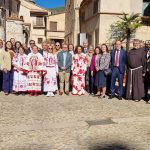
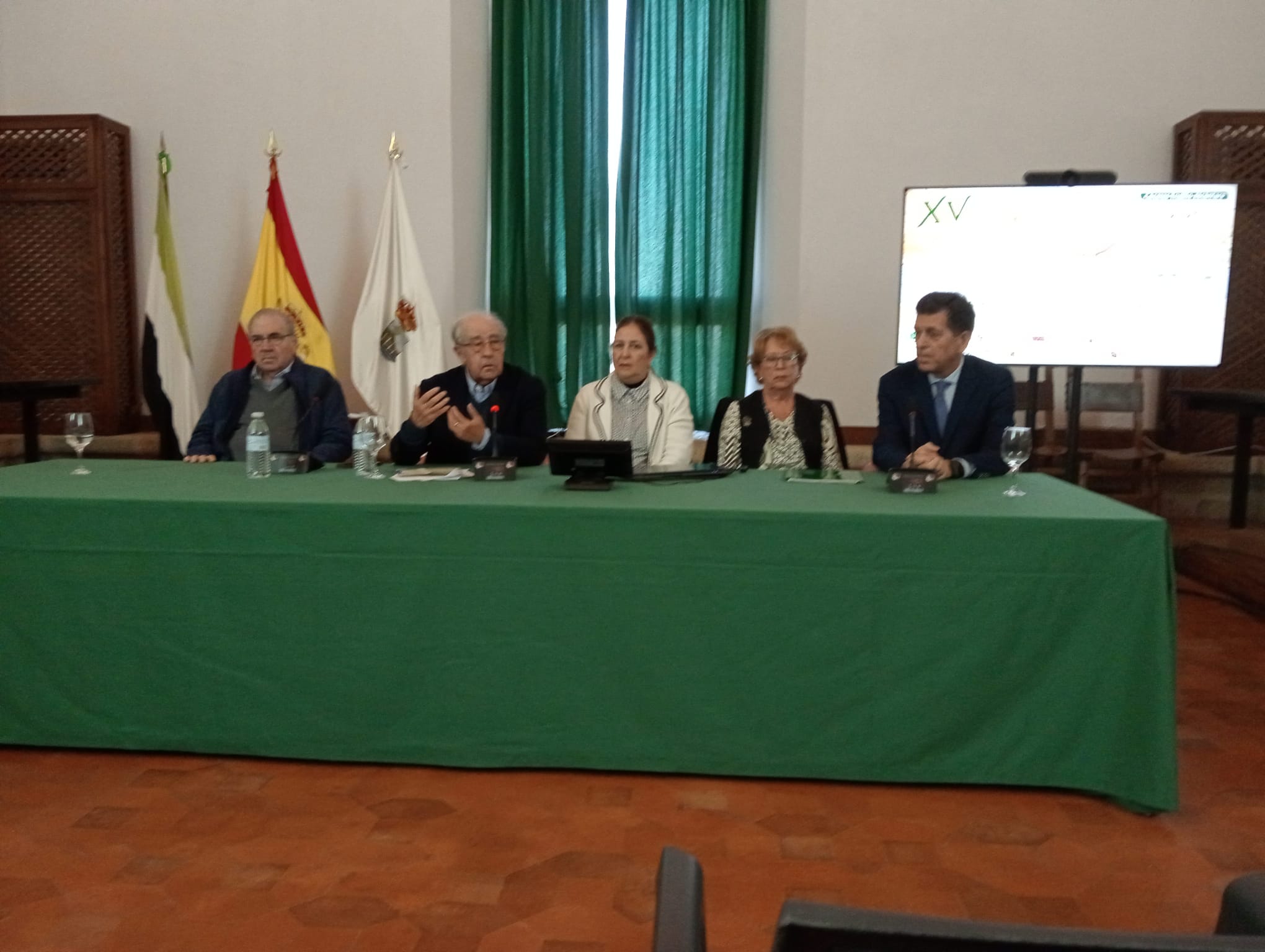
Historians have called for deeper exploration of the relations between Spain and the Americas and greater investment in scientific and academic research on the subject. (23/10/2026)
The influence of the Order of Alcántara on Nicolás de Ovando’s career was the focus of the final session of the International Congress “Frey Nicolás de Ovando: The Extremaduran Who Organised the New World”, held as part of the 15th Humanism Sessions, which concluded at the San Benito Convent in Alcántara.
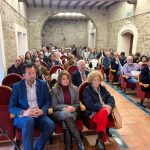
Dionisio Martín Nieto, a corresponding member of the Royal Academy of Extremadura of Letters and Arts, examined in his lecture how Nicolás de Ovando’s family origins, his ties to Cáceres and his career within the military order proved decisive in shaping his political career and his subsequent appointment as governor of the Indies. “Although Ovando held important positions within the Order of Alcántara, the Catholic Monarchs thwarted his ambitions to attain the position of grand master, but he was compensated with the governorship of the Indies”, he explained.
The historian also recalled that, after returning from America, Ovando was laid to rest at the San Benito Convent in Alcántara, reflecting his close ties to the institution and his Extremaduran roots.
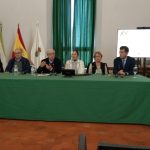
Before the closing session, a round-table discussion was held with Spanish and Dominican academics and professors to share insights into the current state of Americanist studies at universities in Spain and Latin America, as well as academic publications on the Americas. “There is a need for more in-depth research and greater resources to promote scientific and academic studies of the relationship between Spain and the Americas, and between the Americas and Spain”, argued José Julián Barriga, coordinator of the congress and a member of its scientific committee.
To close the international congress, María del Mar Lozano, director of the Royal Academy of Extremadura of Letters and Arts (RAEX), called for a rigorous and critical interpretation of the relations between Extremadura and the Americas, stressing that “the task is not to replace one oversimplification with another, nor to judge the past using easy formulae, but to understand it in all its complexity”.
The RAEX director also highlighted the participation of researchers from the Dominican Republic and the strengthening of academic collaboration between both sides of the Atlantic. Finally, Lozano announced plans to publish the papers presented at the congress, with the support of Alcántara town council, and stressed that “the congress does not truly end with the final session on its programme, but must continue through new research and publications that will bring this history closer to future generations”, she concluded.
The day began with a guided tour of the San Benito Convent, while the academic sessions were chaired by Carmen Fernández-Daza, a member of the Royal Academy of Extremadura of Letters and Arts (RAEX).
Organised by the Regional Government of Extremadura, through the Regional Ministry of Culture, Tourism and Sport, and the Royal Academy of Extremadura of Letters and Arts, the congress brought together Spanish and Dominican specialists over three days in Cáceres, Trujillo and Alcántara to explore the figure of Nicolás de Ovando and his role in the political, economic, legal and territorial organisation of the New World.
